How to choose a shirt supplier that grows with your company?
- Product range and variety
- Bulk order capacity
- Stock availability
- Consistent product quality
- Pricing for different order volumes
Overview
- Choosing a reliable, long-term shirt supplier simplifies procurement and scales with your business.
- Key factors to evaluate include product variety, bulk capacity, stock availability, consistent quality, and tiered pricing.
- Assessing lead times, minimum order quantities, and reordering processes ensures a smooth partnership that supports your company’s growth.
Choosing a shirt supplier is not just about meeting your company’s current uniform needs; it’s about finding a partner that can grow with your business. Repeatedly canvassing suppliers, requesting quotations, and comparing options takes valuable time away from other responsibilities.
A reliable supplier who already understands your company’s requirements makes future purchases more efficient and consistent. Here’s how to choose a shirt supplier that grows with your company, helping you build a long-term partnership that adapts and simplifies uniform procurement.
Product Range and Variety
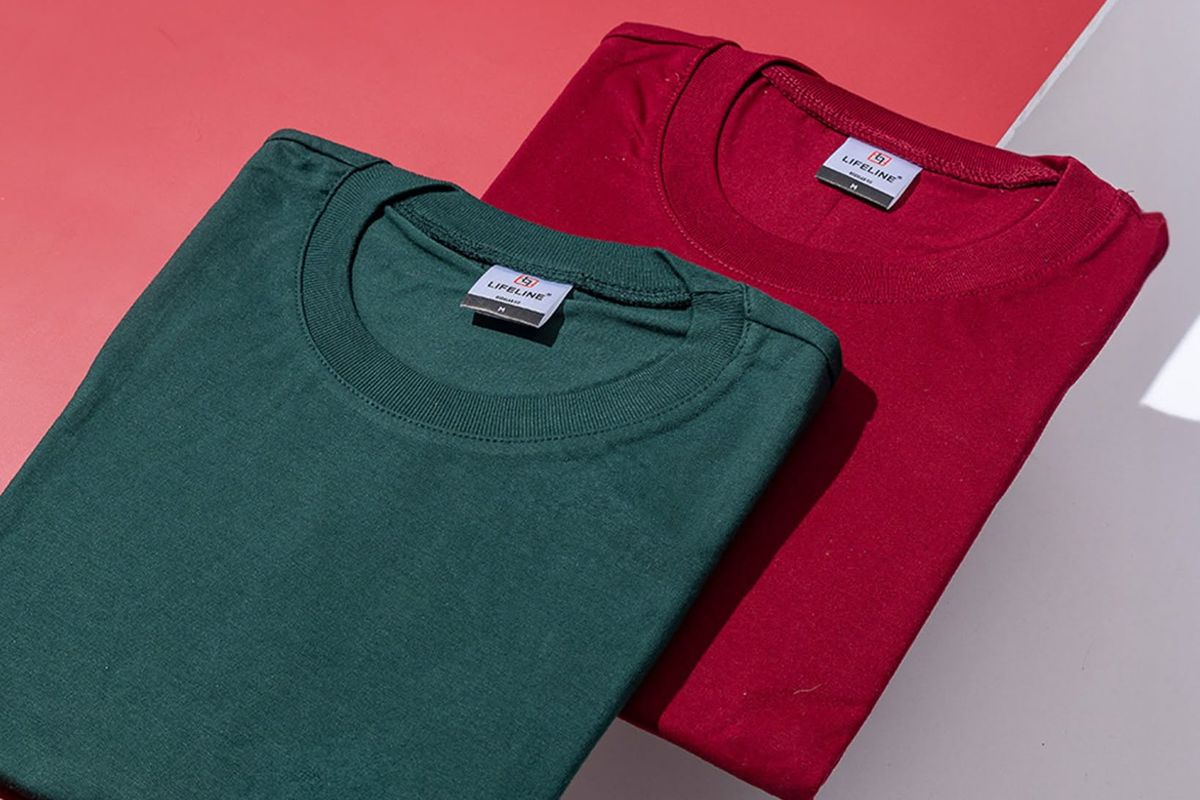
Working with a shirt supplier that offers a wide range of fabrics, cuts, and sizes lets you consolidate orders instead of coordinating with multiple vendors. As your business matures, your needs may evolve from basic promotional T-shirts to premium corporate apparel or retail merchandise.
For example, you may initially order cotton shirts for internal events but later need Dri-FIT shirts for sports activities or different shirt styles for company promotions. A flexible supplier accommodates these changing requirements by offering various quality levels and styles while keeping your supply chain consistent. A broad product catalog also gives you more options when a particular fabric or shirt style becomes unavailable or no longer suits your needs, helping you find a suitable alternative without disrupting your procurement plans.
Bulk Order Capacity
As your company hires more employees or expands its activities, your shirt orders will increase. A supplier with sufficient production capacity ensures they fulfill larger orders within standard lead times, reducing the risk of backorders.
For example, if you need to provide uniforms for new hires while preparing shirts for an upcoming event, a supplier that handles both orders helps you meet deadlines without coordinating with multiple vendors. Larger orders also often lower your cost per piece and reduce shipping and handling fees through consolidated freight. You may also qualify for wholesale discounts and better long-term pricing.
Stock Availability
Stock availability from your shirt supplier helps you meet growing demand without delays that lead to lost sales or damage your brand reputation. Ready stock helps you fulfill larger corporate orders, accommodate increased event requirements, and meet customer demand without extended waiting periods. Consistent stock also helps maintain uniform fabric quality, colors, and sizing across repeat orders. Also, working with a supplier that maintains sufficient inventory lets you plan replenishment more efficiently.
Consistent Product Quality
Maintaining consistent shirt quality helps you protect your brand image and avoid unnecessary costs as your order volume increases. Differences in fabric weight, stitching, sizing, or color affect how your team looks and how your shirts hold up over time.
For example, your 100th shirt should match your 10th shirt in color, fit, and workmanship, ensuring every employee represents your brand consistently. Consistent quality also reduces defective batches, replacement orders, and distribution delays, making procurement easier to manage.
Pricing for Different Order Volumes
As you place larger shirt orders, make sure you’re getting the best value for your budget. A supplier with flexible pricing helps you lower the cost per piece as your order volume increases, making it easier to manage expenses without compromising quality. Clear volume-based pricing also helps you estimate costs and plan future purchases. Ordering in larger batches reduces the need for frequent reorders and cuts shipping expenses. You also have more room to negotiate better discounts, payment terms, and production schedules with your supplier.
What to Check Before Committing to a Long-Term Shirt Supplier
Before committing to a long-term shirt supplier, look beyond their products and prices. Consider how well they fit into your procurement process and support your business needs over time. Evaluating these practical details early helps you avoid unnecessary delays, reduce administrative work, and build a reliable partnership.
- Minimum Order Requirements – Check the minimum number of shirts you must order per transaction and whether the quantity changes depending on the fabric, design, or customization.
- Lead Times – Confirm how many days your supplier needs to produce and deliver your shirts, especially for bulk orders or time-sensitive events.
- Reordering Process – Determine whether you can easily reorder the same shirts using your previous specifications, including fabric, color, sizing, and logo placement.
- Customer Support – Evaluate how quickly your supplier responds to order inquiries, provides updates, and resolves issues involving quantities, quality, or delivery.
Why Lifeline Can Support Your Growing Shirt Requirements
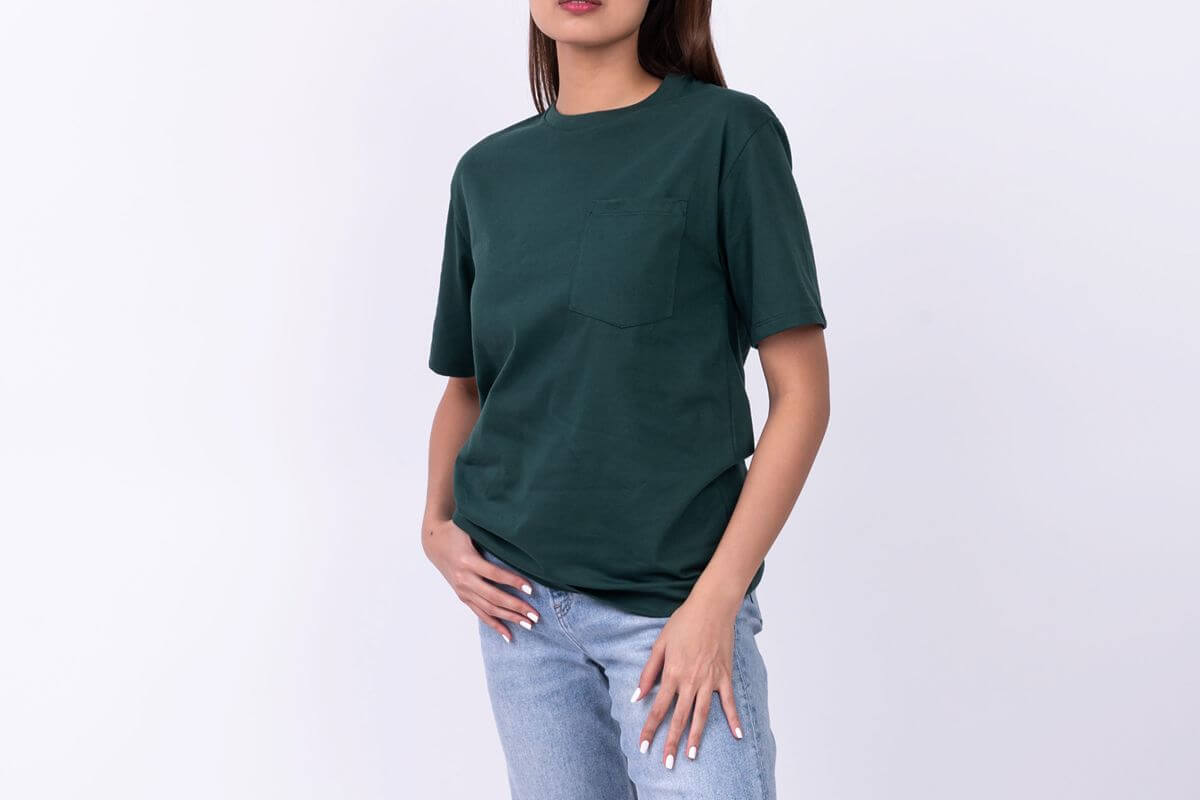
Finding a reliable long-term shirt supplier is essential for scaling businesses. Leading organizations in the Philippines trust Lifeline for comfortable, durable corporate apparel that maintains consistent quality across repeat orders.
Designed for everyday professional use, Lifeline offers breathable, cotton-rich fabrics and an automatic wholesale discount for orders of 50 pieces or more—with no restrictions on styles, sizes, or colors—making bulk procurement seamless and cost-effective.
Key Takeaway
Choosing a shirt supplier that grows with your company requires careful consideration. The right supplier streamlines procurement and makes repeat orders easier to manage. Knowing how to choose a shirt supplier that grows with your company helps you build a long-term partnership that adapts to your changing needs.
Ready to simplify your corporate shirt orders? Contact us today to explore our shirt collection and find wholesale options for your next bulk purchase.


